

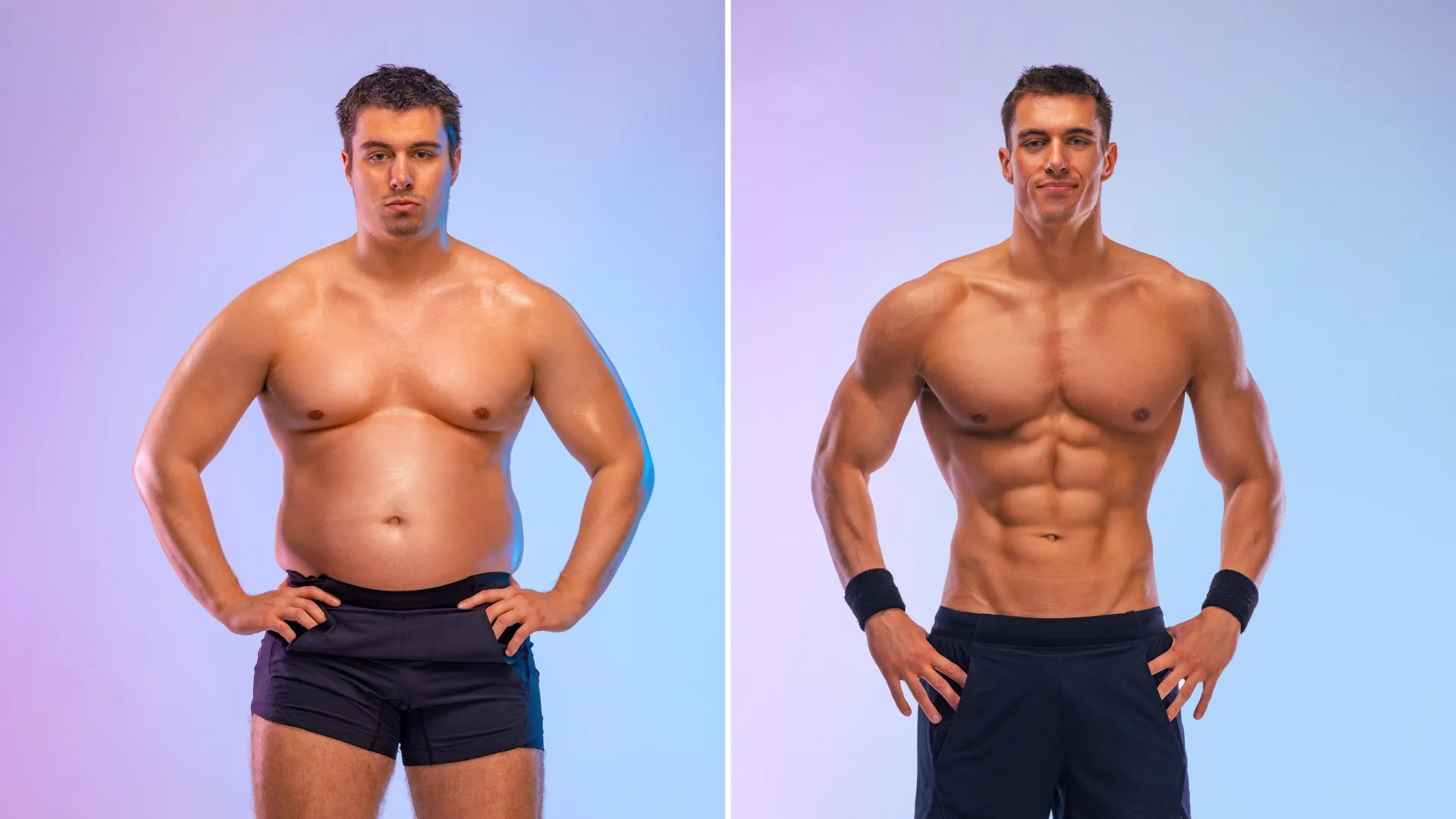


Designing, changing and modeling your own body is more than just fashion. “Self-fashioning” is now a common expression, and beauty has become a multifunctional generator of advantages, according to the cultural scientist Winfried Menninghaus. A manager who is slim and athletic embodies performance and ambition. The capitalist caricatures that George Grosz drew a hundred years ago, figures with huge beer and roast bellies, with double chins and smoking big cigars – rare today.
“More than ever before,” says Ada Borkenhagen, “the beautiful, healthy, perfect body is the bringer of happiness and salvation for modern Western people.” Borkenhagen, psychologist and professor of psychotherapy and experimental psychosomatics at the University of Magdeburg, says this in her book Am I beautiful enough? Beauty craze and body modification the “made body”. Health authorities such as those in the USA are releasing more and more areas of the face and body for Botox treatments. Skin tightening, skin smoothing, weight loss via suction – or currently more effortlessly using Ozempic, which was actually developed for diabetes treatment – will lead to an escalation of the simulation of beauty. “Continuous work on the body” is a must and, according to Borkenhagen, has become a “moral duty in Western societies”. She finds the term “cosmetic self” for this.
It begins with the beginnings of the history of female beauty ideals, moving from clothes and fashion to nutrition to body ideals over time and the associated eating disorders. She then deals with self-responsible body modeling through sport as well as that which is handed over to someone else’s hands, for example through cosmetic surgery. In her slender volume, Borkenhagen leans over the body as a work of art, as “identity work”, taking into account minimally invasive aesthetics such as that of Botox and its brothers. Things get interesting when she analyzes “selfiemania”, social media and their beauty filters. Such real-unreal changes that took place in the media public have now mutated into a digital, quite lucrative business model.
An Instagram face to make money
She devotes a chapter to the Instagram face as a business and focuses on the Kardashian family. Patients are filmed on their journey to change and aesthetic surgeons get their own reality TV shows. Even more revealing is the final third of the book, which deals with new physicality including tattoos and piercings and the disorder dysmorphophobia, in which one’s own physique is rejected as inadequate or even disfigured.
“Am I beautiful enough?” More and more people will be asking themselves this question. Here Ada Borkenhagen feels uncomfortable agreeing. As with other judgments. Every achievement of our ideals, including ideals of beauty, she writes, is a narcissistic triumph, a “self-esteem kick.” Her summary of some epidemiological studies on the connection between breast enlargements in women and their psychiatric histories and suicide rates is astonishing. The more often breast enlargement occurs, the more likely it is that you will develop eating disorders, be underweight and exercise excessively. Cosmetic surgery is carried out just as excessively on an individual basis. Borkenhagen also discusses the connection between such surgical-aesthetic procedures and self-esteem and self-esteem and depression. Is an end to (pseudo)aesthetic optimization in sight? Probably not, if you believe the figures and expert estimates presented by the author in the outlook.
“The face fits perfectly on the phone screen”
Rabea Weihser, musicologist and cultural journalist, asked in a commentary in light of the Trump administration’s ministerial appointments whether there wasn’t a “Mar-a-Lago physiognomy” in which high cheeks and square jaws signaled toughness and determination – since everyone on Trump’s team had similar facial features.
Your book How we became so beautiful about the biography of the face begins with the “face of the global North, the American-dominated world,” which has changed “rapidly” over the last fifteen years: “The face fits perfectly on the cell phone screen, the selfie fits perfectly into the portrait Instagram feed, and social media fits perfectly into the advertising concept of the cosmetics industry.” Weihser works horizontally and vertically through the face: from masks to dermatological matters, skin and its aging process, to brows, eyes and lips.
Despite the size, this comes across as a very lightweight parlando and is more reminiscent of podcast episodes about “facial society”, as the cultural historian Thomas Macho coined a phrase, including brisk formulations – which lose some of their briskness in print. How we became so beautiful effortlessly wants to be “happy science” – and yet its content is inferior to Borkenhagen’s volume, which is more than half as narrow. The knowledge and information that this book contains, for example about skin care or about fear of getting older as a psychosocial consequence of capitalism because youth and thinness have become a fetish, are strangely obscure.

Your feedback on this article to the editors
Article on the topic
Are we ethically obligated to be slim and toned? Apparently yes, say researchers. How come?
“Grey hair only occurs when everything else is right”
More and more women are confidently showing off their gray hair. Is our ideal of beauty shifting? Is getting older sexy now? Questions for Ada Borkenhagen
Little material, little empathy
Short dress, high heels, that’s what a lot of people like. However, wearers of this outfit are quickly viewed as irresponsible by both men and women.


